
2026-09-09 ·
Tree Root Issues in Arvada Sewer Lines Near Olde Town
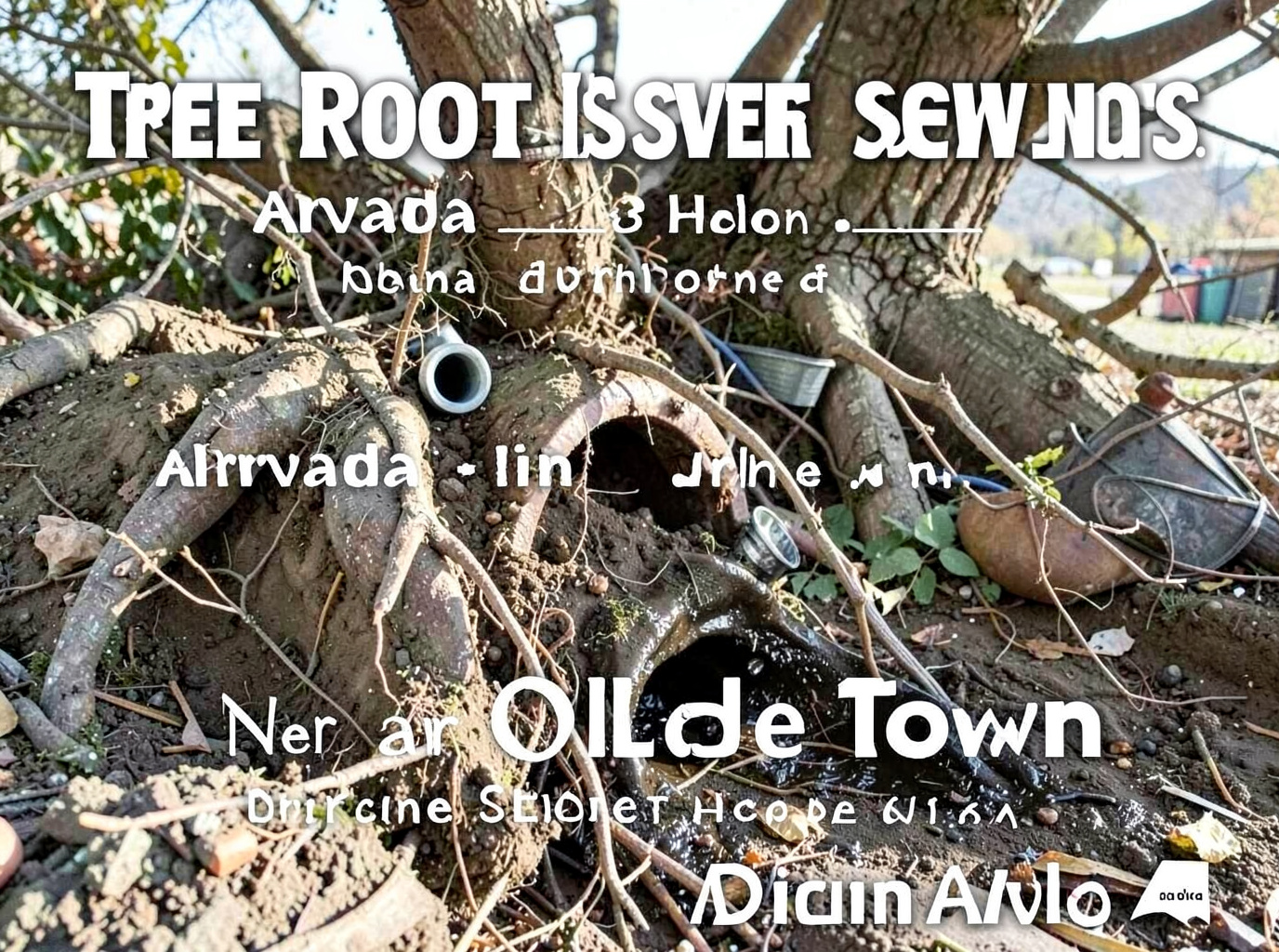
Tree roots reach Arvada sewer lines near Olde Town within 8–12 years once nearby cottonwoods or elms mature and seek moisture from aging clay or cast-iron pipes common in Jefferson County neighborhoods.
Why Roots Target Lines in Olde Town Arvada
Olde Town Arvada homes built in the 1950s and 1960s often sit on clay or concrete sewer lines that develop small cracks over decades. Mature trees planted along streets and in backyards near the Arvada Center for the Arts send fine feeder roots toward these pipes because the semi-arid continental climate leaves soil dry except where irrigation or leaking joints provide steady water. Ralston Creek corridor properties see higher root pressure because shallow water tables and frequent lawn watering create ideal conditions. West Arvada lots with larger yards and older maples experience the same issue when roots travel 20–30 feet to reach main lines. These conditions differ from newer subdivisions in Westminster or Golden where PVC lines resist intrusion longer.
Early Signs Homeowners Notice
Slow drains in multiple fixtures usually appear first during dry spells when roots grow fastest toward consistent moisture. Gurgling sounds from toilets or tubs occur when roots partially block flow near Olde Town properties. Foul odors rise from floor drains when roots trap grease and paper. Residents along Ralston Creek report backups after heavy spring rains because saturated soil pushes roots deeper into existing cracks. These symptoms often start mild but worsen within one season if left unchecked.
How Roots Damage Local Pipes
Roots enter through joints or hairline cracks and expand as they absorb water, widening openings until the pipe collapses. In Jefferson County older stock, cast-iron sections near Majestic View Nature Center commonly show root balls the size of softballs after 10–15 years of growth. The sunny days typical of Arvada accelerate evaporation, so roots work harder to reach any available moisture source. Once established, roots can reduce pipe diameter by 60–70 percent before homeowners notice repeated clogs. This pattern repeats in many pre-1980 homes between Olde Town and West Arvada.
Inspection and Removal Options
A sewer camera inspection reveals exact root locations and pipe condition without excavation. Tree root removal then uses specialized cutting heads to clear the line while leaving the pipe intact when possible. Hydro jetting follows to flush remaining debris and discourage quick regrowth. Properties near Denver borders sometimes need repeated visits every 18–24 months until the main line is replaced. These steps address the specific root pressure found along Olde Town streets.
Prevention Steps That Work Locally
Plant only shallow-rooted shrubs at least 15 feet from sewer cleanouts in Olde Town yards. Schedule annual camera checks before winter when frozen ground can worsen existing root damage. Keep gutters clear so excess water does not saturate soil near lines. Homeowners in Ralston Creek areas benefit from quarterly maintenance during peak growing months. These habits reduce emergency calls compared to untreated homes in the same neighborhoods.
For Arvada residents dealing with recurring backups near Olde Town, addressing roots early prevents larger replacements later. Local patterns show that consistent monitoring in older Jefferson County homes keeps systems flowing through the dry summers and wet springs typical here.